
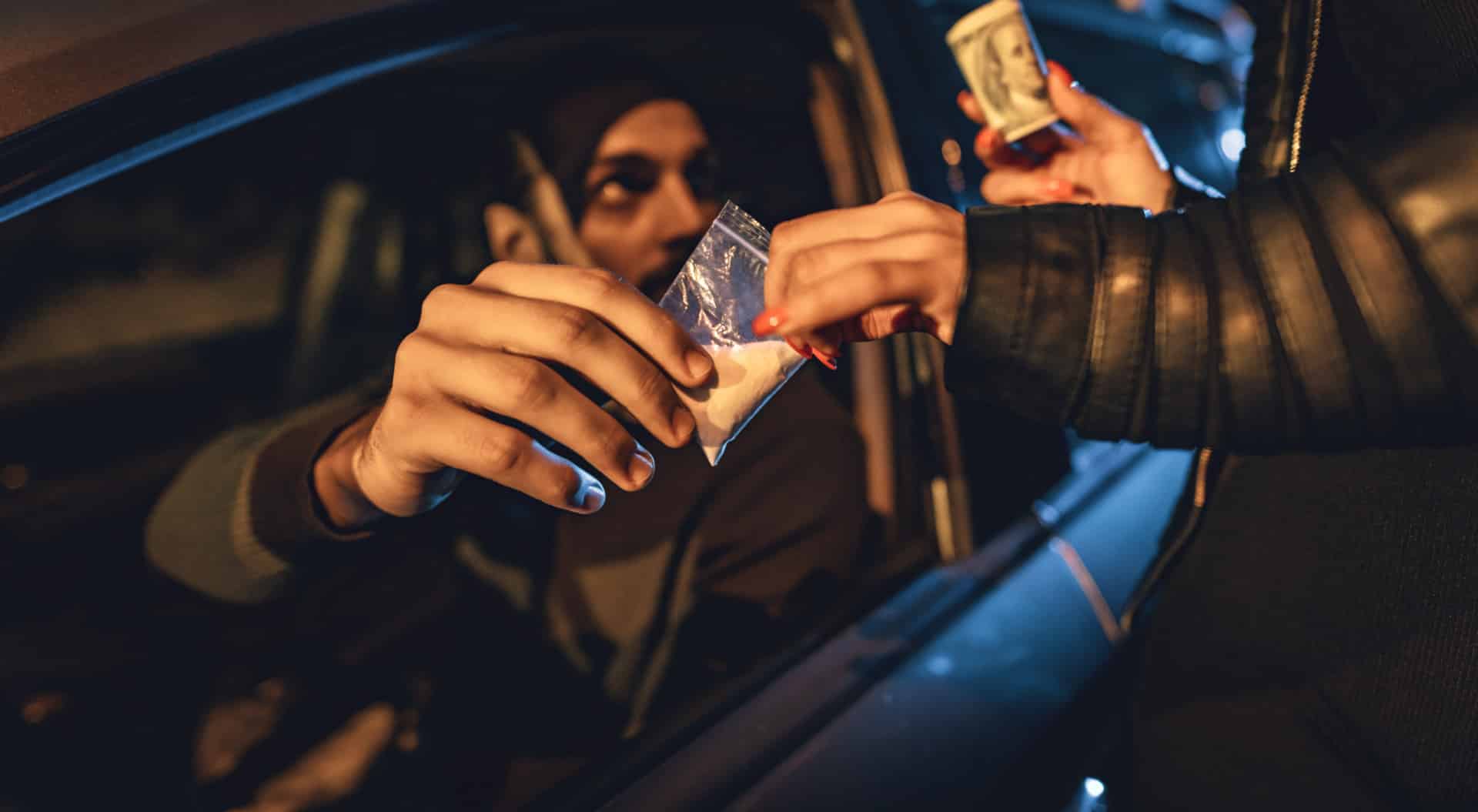
I am reaching an age where I’m beginning to realise life occurs in cycles. When I was a lot younger I thought life was full of one-off events; it was immediate and it was now. For example, Kings Cross was the centre of the narcotics trade when I was young. I thought of it as a one-off event, rather than looking at it as part of the never ending cycle of human beings using mind altering substances.
The police tried to crack down on it then, as they do now, with limited success. Not least because humans tend to take drugs as they enjoy the feeling.
In the 1990s the number of people dying from drug overdoses exceeded the number of people killed in car crashes. At that time I was running a group for parents of young people who had died from drug overdoses. Every week the group’s numbers were bolstered by newly grieving parents.
The fact that drugs were illegal did nothing to stem the tide of users. What’s more, there was an enormous amount of money to be made in a raging black market. Oftentimes, the profits from selling one type of drug would be used to fund the production and sale of another. Each illicit operation could provide a source of funds for the next, even more profitable and addictive illegal drug.
How politicians supercharge drug cartels
I’m not the first to observe that harnessing moral outrage to make things illegal supercharges a black market. Look at prohibition in the USA.
In the case of narcotics, tough-on-drugs policies generate untold wealth for the cartels. In turn, their wealth drives the search for and creation of even more profitable drugs. Today the most lucrative drugs including cocaine, heroin, crystal meth and ice, are in high demand. Australians are spending about $10.3bn a year on illicit drugs. Even the most earnest policing is doomed to failure in the face of the brutal economics; supply, demand and the ability of cartels to outspend policing budgets.
How should we deal with illegal drugs?
Evidence points us in the direction of a better way to deal with illegal drugs. We know the most effective way is to concentrate on users, not dealers.
Drugs should be treated entirely as a health issue, not a legal one. We need to examine and understand the myriad of reasons why individuals use drugs and also support people in recovery.
Because I’ve been involved in the recovery movement for decades I can see the big picture. However, I fear many politicians lack that big picture view. They don’t have the lived experience to learn from decades past. So it’s hardly surprising politicians make the same policy mistakes as their predecessors.
The truth is that banning drugs hasn’t worked. It has neither stopped people using, nor has it dissuaded the cartels. Yet, politicians persist with tough-on-drugs policies. Policies that have failed in their intent to reduce consumption and supply.
A different approach
My decades of experience suggests we try a different approach: Decriminalisation. It would take drugs off the black market and thereby reduce the earnings of the cartels. Hand-in-hand with such an approach must be enhanced funding for rehabilitation and recovery.
My experience also tells me such an action would not lead to an epidemic of new users. The population can already obtain drugs with ease; those who wish to use them do, in spite of the prohibitions.
The prohibition of drugs may be just another of those cycles of humanity, albeit a political one. Perhaps in the great human story it will rank as a relatively short lived and ineffective tough-on-drugs dalliance. However, in the meantime it is only making a devilish problem worse.


